



The most consequential item at the New Delhi BRICS summit is one that is not on the agenda. There is no BRICS currency proposal this week, no shared unit of account, no monetary union working group. That absence is a decision, and it is worth reading properly.
A common currency has never had agreement behind it. It has had enthusiasm from some capitals, silence from others, and no member willing to surrender monetary policy to a bloc containing both a sanctioned economy and a Gulf state pegged to the dollar. The economics were always implausible. What changed is that the rhetoric acquired a price tag: US President Donald Trump has threatened 100% tariffs on countries pursuing anti-dollar initiatives.
Settlement, not substitution
So India built its chairship agenda around the part that works. Local-currency settlement. Faster cross-border payments. Links between national instant-payment systems and, eventually, member central bank digital currencies. Narendra Modi told the Business Forum that UPI now carries about half the world’s real-time digital payments — offered as infrastructure, not as ideology.
The distinction is real, not cosmetic. Settling India-UAE oil trade in rupees and dirhams removes a conversion, a spread and a day of settlement lag. It does not challenge the dollar’s role as a reserve asset, because nobody is asking central banks to hold rupees. Reserve status is won by depth, convertibility and the willingness to run deficits, and no BRICS member is volunteering for that job.
What the summit does expose is how much easier plumbing is than politics. In May, BRICS foreign ministers could not reach a joint position on West Asia. The bloc now contains Iran, Saudi Arabia and the UAE simultaneously — a membership that makes consensus on regional security arithmetically unlikely. India, importing more than 85% of its crude, has a direct interest in Hormuz staying open and no mechanism inside BRICS to help keep it that way.
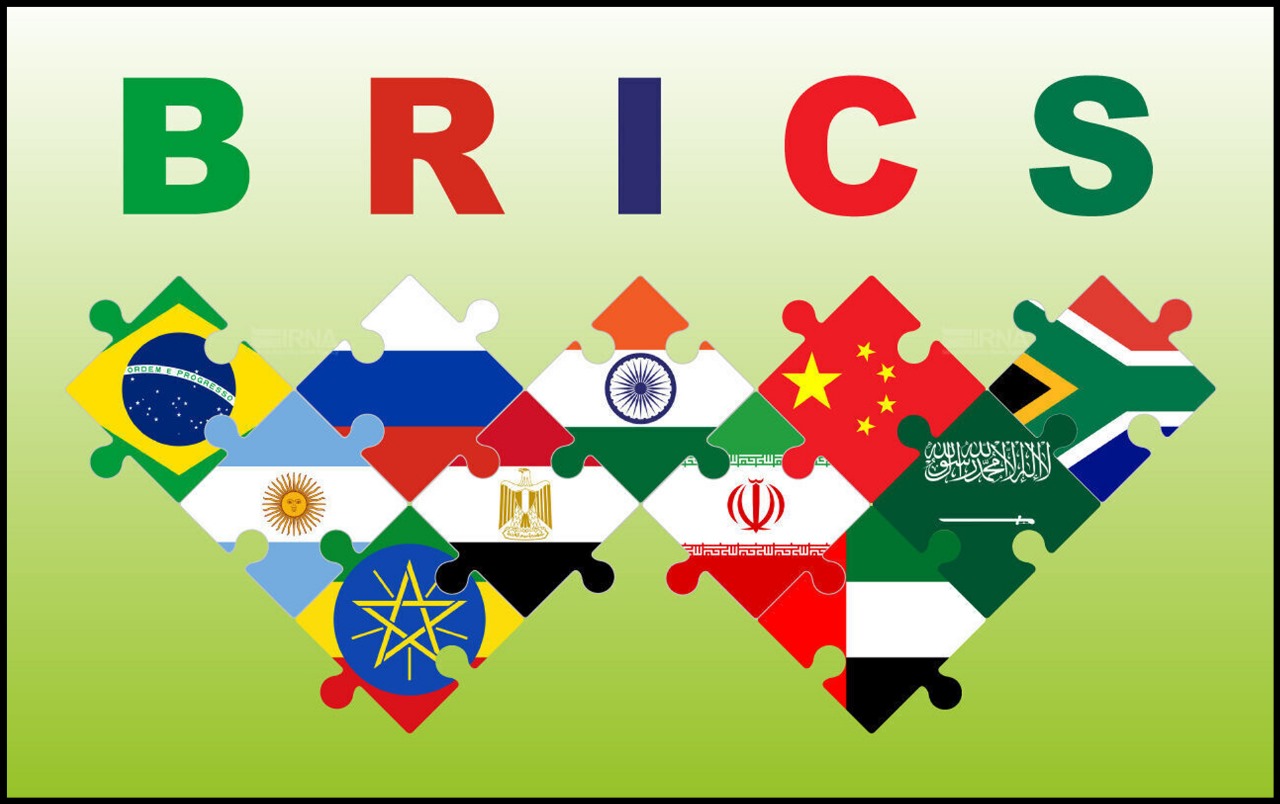
That is the honest shape of this grouping at twenty. Eleven members holding close to half the world’s population and around 40% of its GDP, capable of agreeing on payment rails, development finance and a barriers audit, and structurally incapable of agreeing on a war. Expansion bought representation and spent cohesion.
Read Modi’s request for a report on the top ten intra-BRICS trade barriers in that light. It is not a modest ask because India lacks ambition. It is modest because it is the largest thing eleven governments with this little in common can actually deliver — and delivering something small is how a bloc that has been accused of being a photo opportunity stops being one.
A New Delhi Declaration is expected before the summit closes. Its value will lie in what it commits members to build, not in what it declares about the dollar.