



New Delhi opened the 18th BRICS summit with a request rather than a pledge. Addressing the BRICS Business Forum at Bharat Mandapam on Thursday, Indian Prime Minister Narendra Modi asked the bloc’s business council to produce a report on the trade barriers its own members impose on each other.
"BRICS is entering its 3rd decade, and I urge the council to make a report on removing the top ten trade barriers amongst the member nations," Modi said. The framing matters. Twenty years in, the grouping still has no tariff schedule, no common market and no dispute mechanism between members — and the barriers Modi wants catalogued are largely non-tariff ones: certification regimes, customs delays, standards that do not travel.
He paired the trade-barriers proposal with maritime security. "Secured sea lines, safe seafarers important for safe, seamless trade," Modi said, a line aimed squarely at the shipping-lane disruptions that have repriced freight and insurance across the Indian Ocean over the past two years.
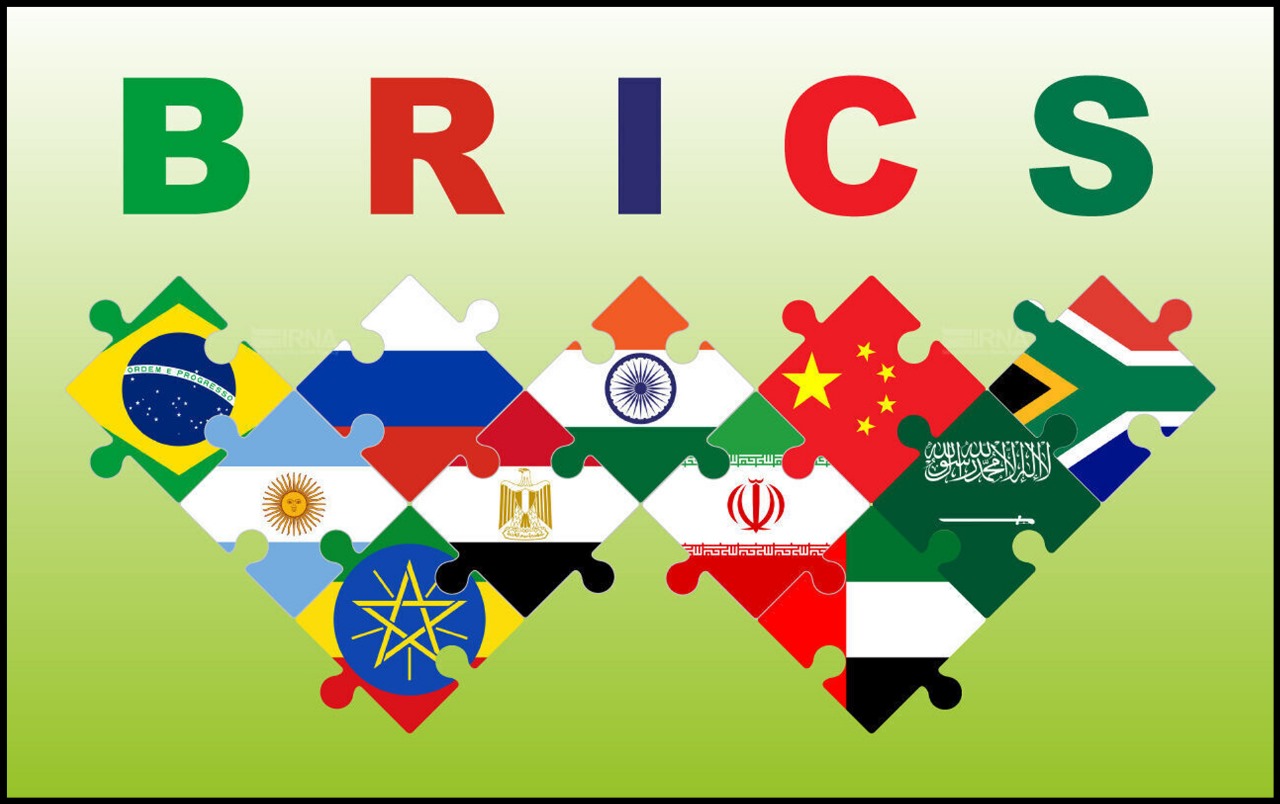
The arithmetic behind the room is the reason anyone is listening. The 11 member states — Brazil, Russia, India, China, South Africa, Egypt, Ethiopia, Iran, Indonesia, Saudi Arabia and the United Arab Emirates — hold close to half the world’s population and roughly 40% of its GDP. They account for about a quarter of global trade. Ten partner countries sit alongside them: Belarus, Bolivia, Cuba, Kazakhstan, Malaysia, Nigeria, Thailand, Uganda, Uzbekistan and Vietnam.
Trade figures
What that share does not buy is internal cohesion. Intra-BRICS commerce remains a fraction of each member’s external trade, and the bloc’s expansion has widened the gap between what it represents on paper and what it moves in practice. A barriers audit is the least glamorous possible answer to that problem, which may be why it landed.
India has run its chairship on volume. More than 350 BRICS-related meetings were convened across 25-plus Indian cities before leaders arrived, under a theme New Delhi has repeated at every stop: "Building for Resilience, Innovation, Cooperation and Sustainability."
The economic agenda at the leaders’ sessions on Friday and Saturday runs through resilient supply chains, cross-border payments, wider use of national currencies, MSME development, digital trade, energy security and development finance. New Delhi has also pushed for more room for developing economies inside the institutions that set global financial rules.
Modi positioned India as what he called an economic bridge at a moment when trade barriers are rising elsewhere — a pitch to the Global South delegations in the hall as much as to the leaders arriving for the closed sessions.
Whether any of it survives contact with a joint text is the open question. Leaders are expected to sign a New Delhi Declaration before the summit closes on Saturday, and every line of it requires eleven governments to agree.